Linalool oxide
5-Ethenyltetrahydro-α,α,5-trimethyl-2-furanmethanol
Linalyl oxide · Linalool monoxide · Linalool epoxide · Epoxylinalool
化学組成 · Constituent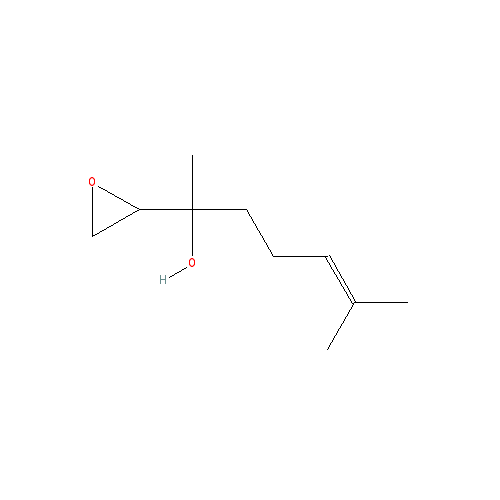
5-Ethenyltetrahydro-α,α,5-trimethyl-2-furanmethanol
Linalyl oxide · Linalool monoxide · Linalool epoxide · Epoxylinalool
化学組成 · Constituent
Linalool oxide là sản phẩm oxi hoá của linalool, có mặt ở mức nhỏ trong một số tinh dầu hoa. Dữ liệu cho thấy không gây kích ứng và không gây mẫn cảm.
Trên da. Linalool oxide chưa pha loãng gây kích ứng vừa đến nặng cho da thỏ khi đắp 24 giờ. Thử nghiệm patch ở 8 phần trăm trên 28 người tình nguyện không gây kích ứng và không gây mẫn cảm.
Độc tính cấp. LD50 cấp tính trên chuột qua đường uống là 1.15 g/kg. LD50 cấp tính qua da trên thỏ là 2.5 g/kg. Mức độc tính nhẹ.
Linalool oxide is the oxidation product of linalool, present at low levels in some floral oils. Data indicate no irritation and no sensitization.
Skin. Undiluted linalool oxide was moderately to severely irritating to rabbit skin under 24-hour occlusion. An 8 percent patch test on 28 volunteers caused no irritation and no sensitization.
Acute toxicity. Acute oral LD50 in rats is 1.15 g/kg. Acute dermal LD50 in rabbits is 2.5 g/kg. Slight toxicity level.
| Mộc tê · Osmanthus | 0.6 – 7.0 % |
| Bạc hà cam · Mint (bergamot) | 1.2 – 1.7 % |
| Gỗ hồng · Rosewood | 1.3 % |
| Gỗ Linaloe · Linaloe wood | 1.0 – 2.0 % |
Linalool oxide tồn tại ở hai dạng đồng phân chính, (E)- và (Z)-, cả hai đều xuất hiện trong tinh dầu osmanthus tuyệt đối ở mức vài phần trăm.
Hợp chất hình thành tự nhiên khi linalool bị oxi hoá. Trong nguyên liệu thương mại của linalool, một lượng nhỏ luôn hiện diện như tạp chất.
Linalool oxide exists in two main isomeric forms, (E)- and (Z)-, both occurring in osmanthus absolute at a few percent.
The compound forms naturally when linalool oxidizes. Commercial linalool material always contains a small fraction as impurity.