マンダリン
Quýt
Citrus reticulata
Tangerine
Phototoxic at a very low level or not phototoxic. Furocoumarin content is much lower than bergamot and lemon.
(+)-Limonene oxidation products may sensitize skin. Store in dark, sealed, refrigerated container.
Green mandarin has higher anthranilate content than ripe, a more intense profile.
No data indicates hazard in pregnancy.
| (+)-Limonene | 65.0 – 80.0 % |
| γ-Terpinene | 13.0 – 22.0 % |
| α-Pinene | 2.0 – 3.0 % |
| β-Pinene | 1.5 – 2.5 % |
| β-Myrcene | 1.5 – 2.5 % |
| Methyl N-methylanthranilate | 0.3 – 0.7 % |
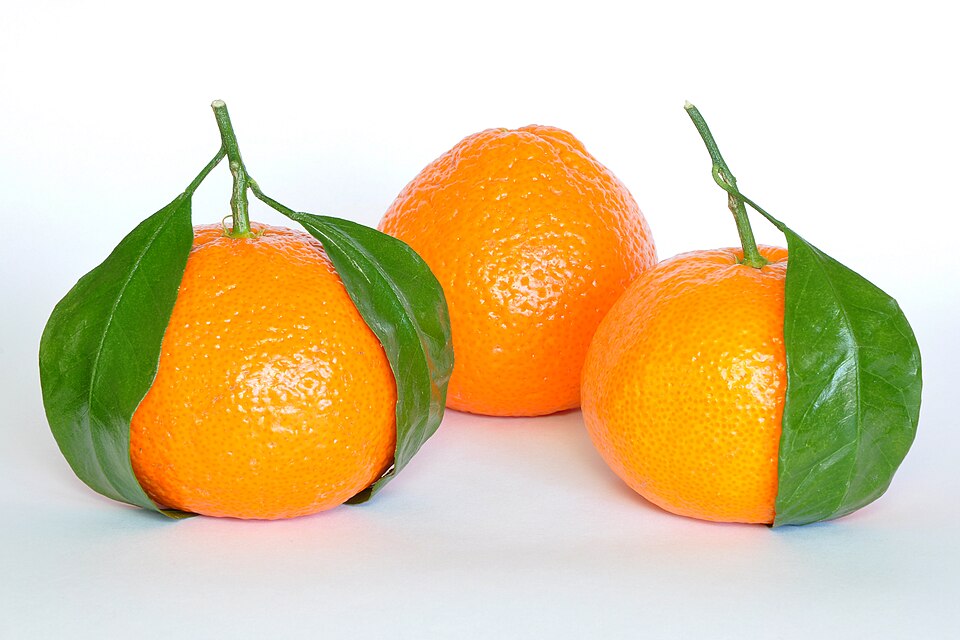
Citrus reticulata is a small citrus tree with yellow-orange fruit. The names 'mandarin' and 'tangerine' are sometimes used interchangeably, though tangerine is technically a cultivar of Citrus reticulata.
Main production: Italy (Sicily), Spain, China, Brazil. Vietnam also grows mandarin, primarily for fresh fruit.
Family Rutaceae, same family as bergamot, lemon, orange, and lime.
Mandarin oil is often classified by ripeness: green mandarin is sharper, yellow is balanced, red is sweet and rounded.
In cosmetics, mandarin is widely used in products for children and sensitive skin, among the gentlest safety profiles of citrus oils.