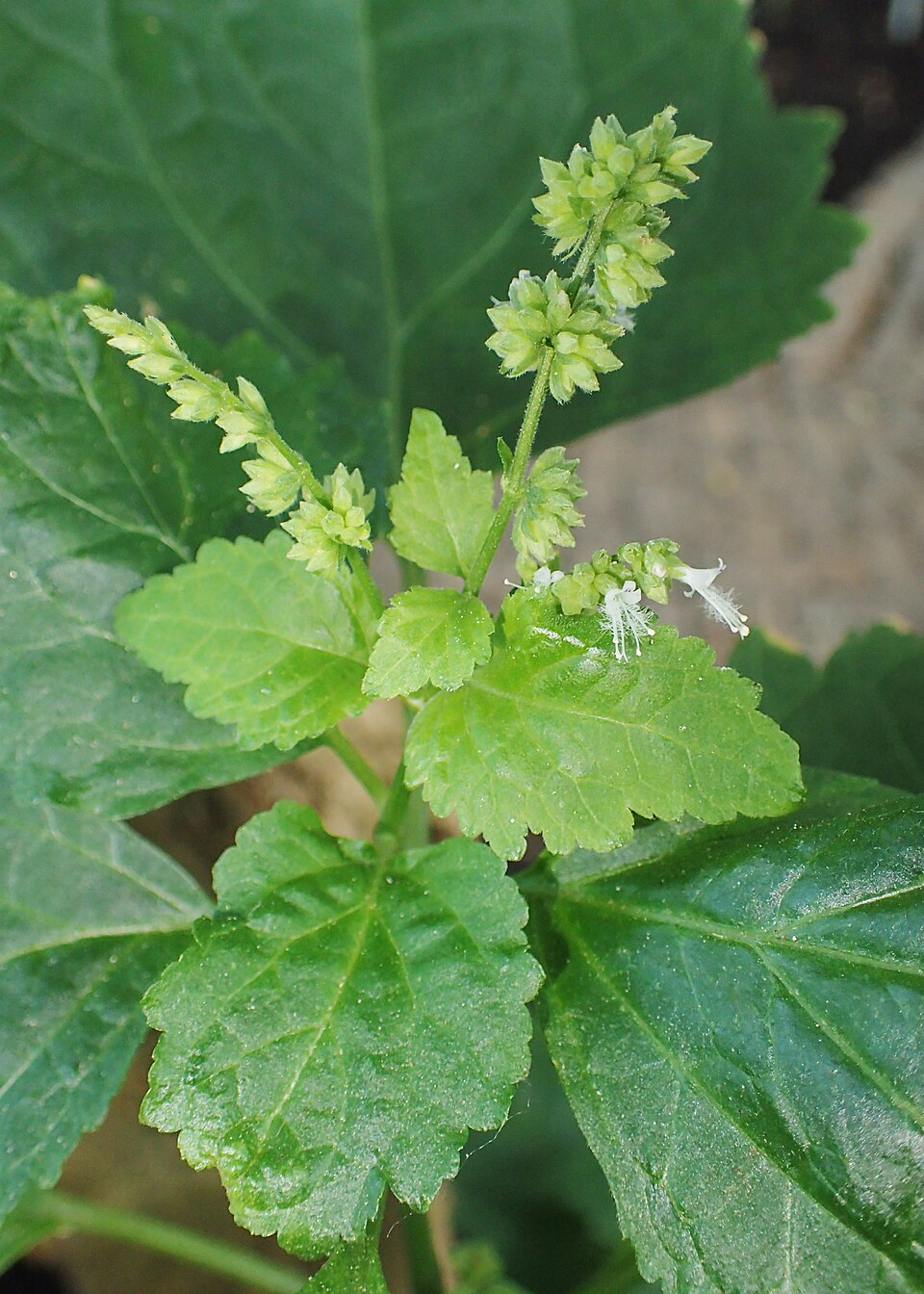
パチョリ
Hoắc hương
Pogostemon cablin
Pogostemon patchouly
Patchouli is classified as GRAS by the US FDA. No specific IFRA restriction.
Low skin sensitization risk. In 25 volunteers tested at 10 percent: not irritating or sensitizing. In 1,606 contact dermatitis patients tested at 10 percent: 13 reactions (0.8 percent).
May inhibit platelet aggregation. Use orally with caution alongside anticoagulants, after major surgery, or with bleeding disorders.
Some studies report patchouli oil 'mildly phototoxic'; other studies found no phototoxicity. Caution at high concentrations on sun-exposed skin.
No data indicates specific hazard in pregnancy.
Patchouli oil is considered one of the safest essential oils in perfumery, suited to long-term, leave-on product use.
| Patchouli alcohol | 17.5 – 32.7 % |
| α-Bulnesene (δ-guaiene) | 8.7 – 20.7 % |
| α-Guaiene | 8.8 – 15.3 % |
| Seychellene | 0 – 9.6 % |
| β-Patchoulene | 2.0 – 9.3 % |
| α-Patchoulene | 4.5 – 8.5 % |
| γ-Patchoulene | 0 – 6.7 % |
| β-Caryophyllene | 2.1 – 4.2 % |
| (−)-allo-Aromadendrene | 0 – 5.0 % |
| 1(10)-Aromadendrene | 0 – 3.9 % |
| Pogostone | 0 – 3.8 % |
| Pogostol | 0 – 2.4 % |
| δ-Cadinene | 0 – 2.4 % |
Pogostemon cablin is a tropical Southeast Asian herb, particularly from Indonesia (Sumatra), Malaysia, the Philippines, and Vietnam. A small plant with broad downy leaves and a distinctive aroma.
Leaves are harvested and dried, drying is the determining quality factor. Dried leaves are lightly fermented before distillation.
Oil yield is about 2-4 percent of dried leaf weight. Distillation lasts 8-24 hours, short distillation yields lighter oil, long distillation produces deeper, more balsamic oil.
Indonesian patchouli (especially from Sumatra) is regarded as the gold standard, highest patchouli alcohol content (28-33 percent).
Chinese patchouli is cheaper but lower in patchouli alcohol (17-32 percent). Indian and Vietnamese patchouli also have substantial production.
Family Lamiaceae (Labiatae), same family as mint, basil, rosemary, and lavender.
Patchouli oil is frequently adulterated. Common adulterants: gurjun balsam oil (will show α-gurjunene), copaiba balsam, cedarwood, vetiver, camphor distillate residues, hercolyn D, benzyl benzoate, propylene glycol, vegetable oils.
Premium Indonesian patchouli is sometimes blended with cheaper Chinese patchouli. Verify quality by GC-MS, patchouli alcohol and α-bulnesene ratio are key indicators.
Aged patchouli oil is preferred over new in perfumery, 5-10 years aging produces a more refined, smoother aroma. One of the few essential oils valued for 'aging'.
True patchouli aroma: woody, earthy, warm, deep, without 'sharp' or 'chemical' notes of adulteration. Green and youthful when new, mature and smooth with age.
Patchouli is one of the most important base notes in perfumery. In oriental, chypre, fougère, and modern niche fragrances, patchouli appears almost everywhere.
Patchouli alcohol is the principal aroma compound. A large, slow-evaporating molecule, which is why patchouli has excellent fixative properties.
In 1960s-70s hippie culture, patchouli became a symbol, the scent of 'free spirit' and 'anti-establishment'. The association lingers today.
In traditional Chinese and Vietnamese medicine (huoxiang 藿香), patchouli leaves are used for digestion, colds, and dampness.
In cosmetics, patchouli oil is widely used in perfume, body lotion, massage oil, and candles. Suited to all skin types, not phototoxic at typical concentrations.
Patchouli is particularly prized in men's fragrance, a base note for aftershaves and modern cologne.
Aged patchouli oil is more expensive than new, sometimes 2-3 times. A rare attribute in the essential oil trade.