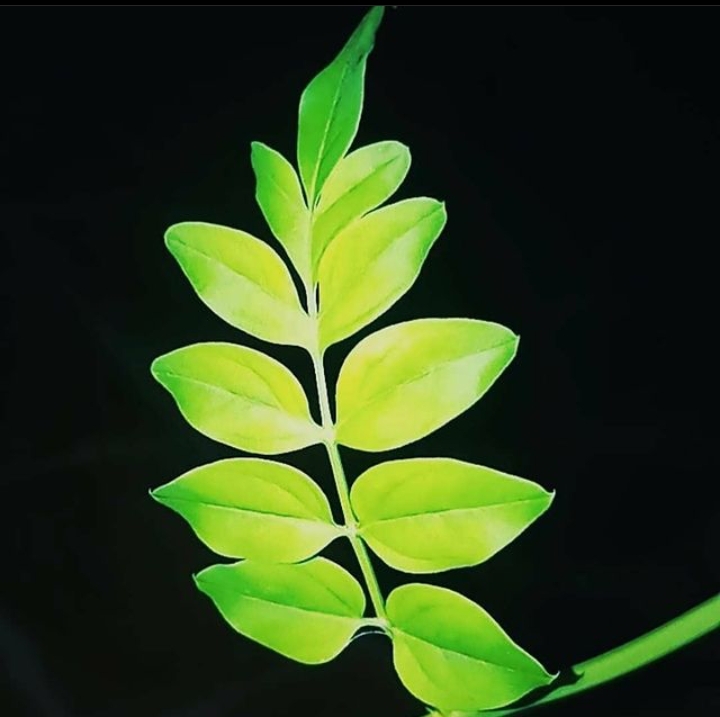
ジャスミン
Hoa nhài, Hoa lài
Jasminum grandiflorum
Royal jasmine, Spanish jasmine, Jasminum officinale var. grandiflorum
Moderate risk of skin sensitization.
Maximum dermal use level 0.7 percent per IFRA.
GRAS status.
Patch testing at 2 to 3 percent caused reactions in 0 to 1.2 percent of dermatitis patients. Higher in 'fragrance-sensitive' groups, 32 percent at 2 percent. 0.25 percent is the no-observable-reaction threshold for high-risk groups.
Slightly higher risk possible for people of Asian origin compared with those with black or caucasian skins.
Egyptian jasmine absolute may contain traces of benzyl cyanide, at levels found in the oil, no restriction is required.
| Benzyl acetate | 15.0 – 24.5 % |
| Benzyl benzoate | 8.0 – 20.0 % |
| Phytol | 7.0 – 12.5 % |
| Squalene 2,3-oxide | 5.8 – 12.0 % |
| Isophytol | 5.0 – 8.0 % |
| Phytyl acetate | 3.5 – 7.0 % |
| Linalool | 3.0 – 6.5 % |
| Squalene | 2.5 – 6.0 % |
| Geranyl linalool | 2.5 – 5.0 % |
| Indole | 0.7 – 3.5 % |
| (Z)-Jasmone | 1.5 – 3.3 % |
| Eugenol | 1.1 – 3.0 % |
| (Z)-Methyl jasmonate | 0.2 – 1.3 % |
Jasminum grandiflorum is a tropical climber with white night-blooming flowers carrying an extremely intense scent. Each kilogram of absolute requires approximately 700 kg of fresh flowers.
Mainly produced in Egypt, India, Morocco. The names 'Royal jasmine' and 'Spanish jasmine' reflect traditional usage.
Family Oleaceae. Same family as olive and lilac. Flowers picked by hand just before dawn when scent concentration peaks.
Jasmine absolute is frequently adulterated with indole, α-amyl cinnamic aldehyde (a low-to-moderate allergen), ylang-ylang fractions, synthetic jasmine bases, synthetic jasmones.
Coniferyl benzoate, a potent skin allergen, may be present because Sumatra benzoin is sometimes added to jasmine concrete as an adulterant.