イランイラン
Ngọc lan tây
Cananga odorata
Cananga
Ylang-ylang is classified as GRAS by the US FDA.
Low skin sensitization risk at usual grades. In 25 volunteers at 10 percent: no irritation or sensitization.
Skin reaction rate: in 1,200 contact dermatitis patients tested at 2 percent: 13 reactions (1.1 percent). Average rate compared with other essential oils.
Recommended dermal maximum 0.8 percent for extra, I, II grades. Complete may be higher.
Not phototoxic. No data indicates hazard in pregnancy.
Notable: ylang-ylang has 5 different grades based on distillation fractions, Extra (first, most expensive), I, II, III, and Complete (whole). Each grade has different aroma and use.
| Linalool | 11.0 – 25.0 % |
| Geranyl acetate | 5.0 – 18.0 % |
| β-Caryophyllene | 5.0 – 15.0 % |
| Benzyl acetate | 3.0 – 12.0 % |
| Methyl benzoate | 2.0 – 10.0 % |
| p-Cresyl methyl ether | 1.0 – 8.0 % |
| Methyl salicylate | 0.5 – 5.0 % |
| α-Farnesene | 1.0 – 8.0 % |
| Benzyl benzoate | 1.0 – 6.0 % |
| Germacrene D | 1.0 – 5.0 % |
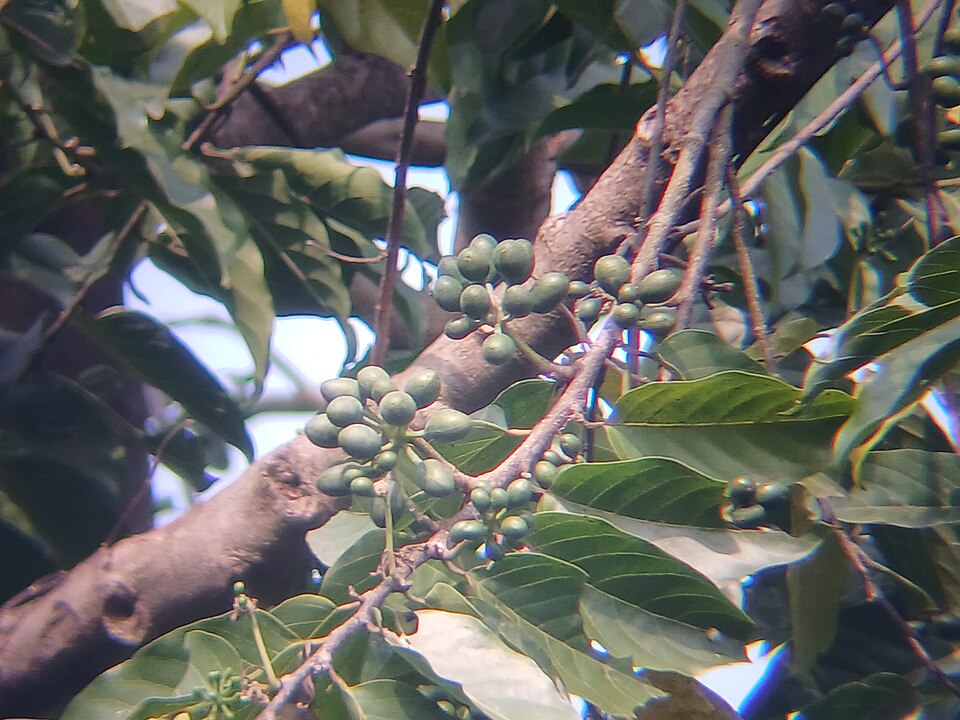
Cananga odorata is a tropical tree native to the Philippines and Indonesia. Long ribbon-like yellow flowers with an intensely fragrant aroma.
The name 'ylang-ylang' from Filipino 'ilang-ilang', meaning 'wilderness' or 'rare'.
Main production: Comoros, Madagascar (largest), Indonesia, Philippines.
Flowers hand-picked at dawn. Distillation runs 14-24 hours, fractionated into 5 grades:
Extra: first 1-2 hours, most expensive, deepest aroma, used in fine perfumery.
I: next 3-4 hours, still premium.
II: 5-7 hours, used in commercial perfumery.
III: final portion, woodier aroma, cheapest.
Complete: the entire distillation without fractionation, used in aromatherapy.
Cananga oil (from var. macrophylla) differs, similar chemistry but cruder aroma.
Family Annonaceae.
Ylang-ylang is frequently adulterated. Common adulterants: synthetic linalool, geranyl acetate; gurjun balsam; cananga oil (cheaper than ylang); benzyl benzoate, propylene glycol.
Verify quality by chiral GC-MS analysis. Linalool and (E,E)-α-farnesene ratios are key indicators.
Comoros and Madagascar ylang are the gold standard. Indonesian is also high quality.
Distinguish the 5 grades, only Extra and I are used in fine perfumery. Complete is common in aromatherapy.
Ylang-ylang is one of the distinctive 'tropical white' floral notes, alongside tuberose, jasmine, and gardenia. In perfumery, ylang is an important heart note.
In signature fragrances: Chanel No. 5 (1921) uses ylang significantly as a heart note. Joy by Patou and Calvin Klein Obsession both feature prominent ylang.
In Indonesian and Philippine culture, ylang flowers are scattered on wedding beds as a symbol of love.
In aromatherapy, ylang-ylang has been studied for lowering blood pressure, anxiety reduction, and mood support. Also used in massage.
In cosmetics, ylang is a premium ingredient for fine fragrance, body lotion, hair care, and relaxation products.
For the Lê Mai quiet luxury VN+JP brand, ylang-ylang (Extra grade) is a potential signature ingredient, aligned with East Asian fragrance and quiet luxury feminine sensibility.