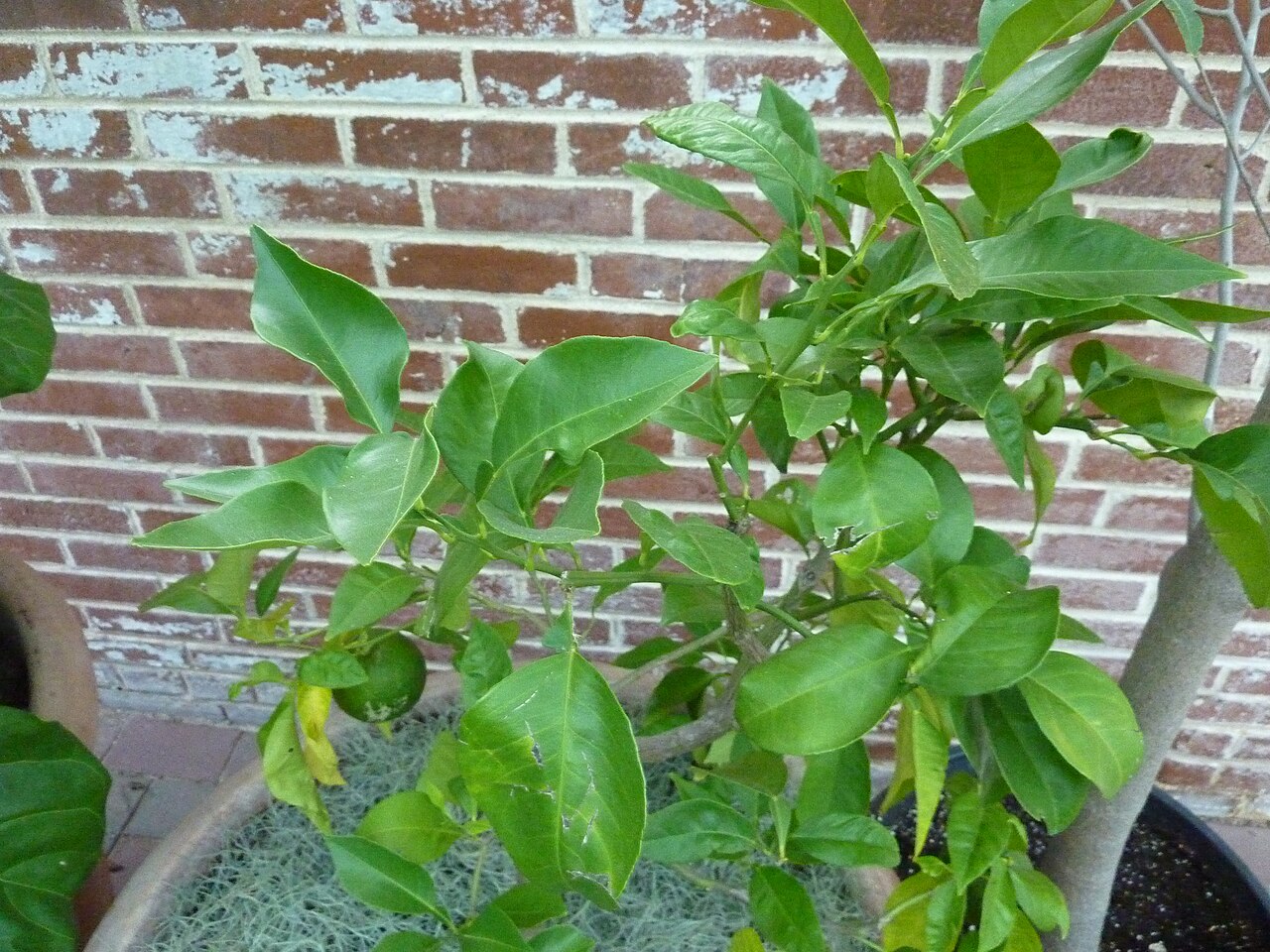
オレンジリーフ
Lá cam
Citrus x aurantium
Petitgrain bigarade
Petitgrain bigarade is classified as GRAS by the US FDA. No specific IFRA restriction.
Low skin sensitization risk.
Linalool oxidation products may sensitize skin. Store properly.
No data indicates hazard in pregnancy.
| Linalyl acetate | 44.0 – 55.0 % |
| Linalool | 18.0 – 28.0 % |
| α-Terpineol | 4.0 – 9.0 % |
| Geraniol | 2.0 – 5.0 % |
| Geranyl acetate | 2.0 – 5.0 % |
| β-Myrcene | 1.0 – 3.0 % |
| Neryl acetate | 1.0 – 3.0 % |
Petitgrain bigarade is distilled from the leaves and young twigs of Citrus x aurantium (bitter orange). The name 'petitgrain' means 'small grain' in French, historically the oil was distilled from unripe fruit; later production shifted to leaves for greater efficiency.
Main production: Paraguay (largest), France, Tunisia, Morocco.
The same tree yields bitter orange (peel), neroli (flowers), and petitgrain bigarade (leaves).
Family Rutaceae.
In perfumery, petitgrain is an important heart note, citrus, floral, green, lightly woody. Not phototoxic, unlike citrus peel oils.
In traditional Eau-de-Cologne, petitgrain together with bergamot, neroli, and lavender forms the classical 4711 structure.