ライム蒸留
Chanh ta, chưng cất
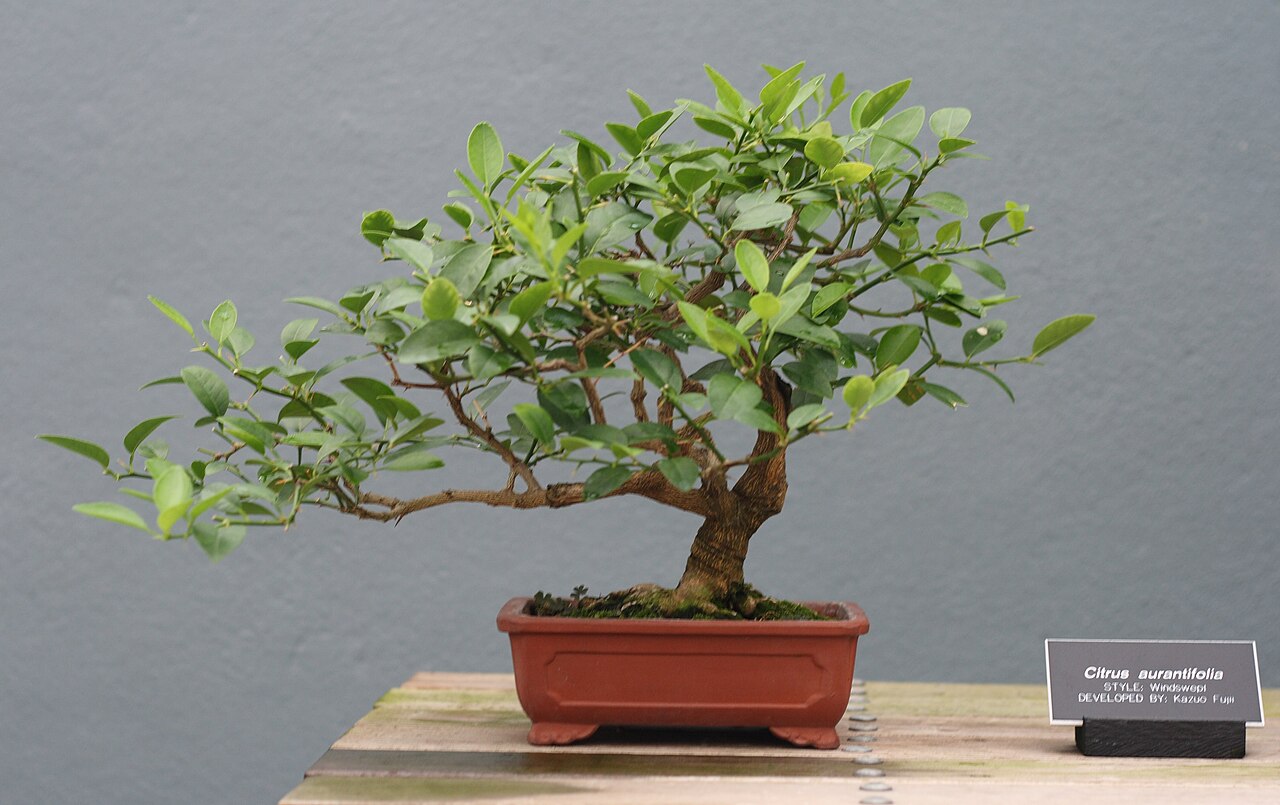
Citrus x aurantifolia
West Indian lime, Key lime, Mexican lime
Not phototoxic, distillation removes the main furocoumarins. However, citropten 0.9 percent and bergapten 0.3 percent have been reported in some Mexican distilled lime samples.
Oxidation products of (+)-limonene can sensitize skin. Store properly.
No data indicates hazard in pregnancy.
| (+)-Limonene + 1,8-cineole | 40.4 – 49.4 % |
| γ-Terpinene | 9.5 – 10.7 % |
| Terpinolene | 8.1 – 8.7 % |
| α-Terpineol | 5.4 – 12.7 % |
| β-Pinene | 2.0 – 2.9 % |
| 1,4-Cineole | 2.0 – 3.0 % |
| p-Cymene | 1.6 – 2.5 % |
| Terpinen-1-ol | 1.0 – 2.3 % |
| (Z)-β-Terpineol | 0.5 – 2.2 % |
| β-Myrcene | 1.3 – 2.1 % |
| α-Pinene | 1.2 – 2.1 % |
Citrus x aurantifolia is a small lime with thin peel. Mexican lime, Key lime, and West Indian lime all refer to the same species.
The oil is distilled from ripe yellow peel. Production is mainly in Mexico, Peru, and Brazil.
Distilled lime is produced on a much larger scale than expressed lime. Most is used in food flavoring.
Family Rutaceae.
Distilled lime oil contains some rare constituents such as 1,4-cineole, β-terpineol, and terpinen-1-ol due to acidic conditions during processing.
Distinct from expressed lime, distilled has a sharper aroma, missing the fresh note of expressed.
The names 'Mexican' and 'Persian' refer to the lime type, not necessarily the country of origin.
1960s research suggested limonene in citrus oils was a tumor promoter, later evidence shows limonene and its metabolite perillyl alcohol are anticarcinogenic.