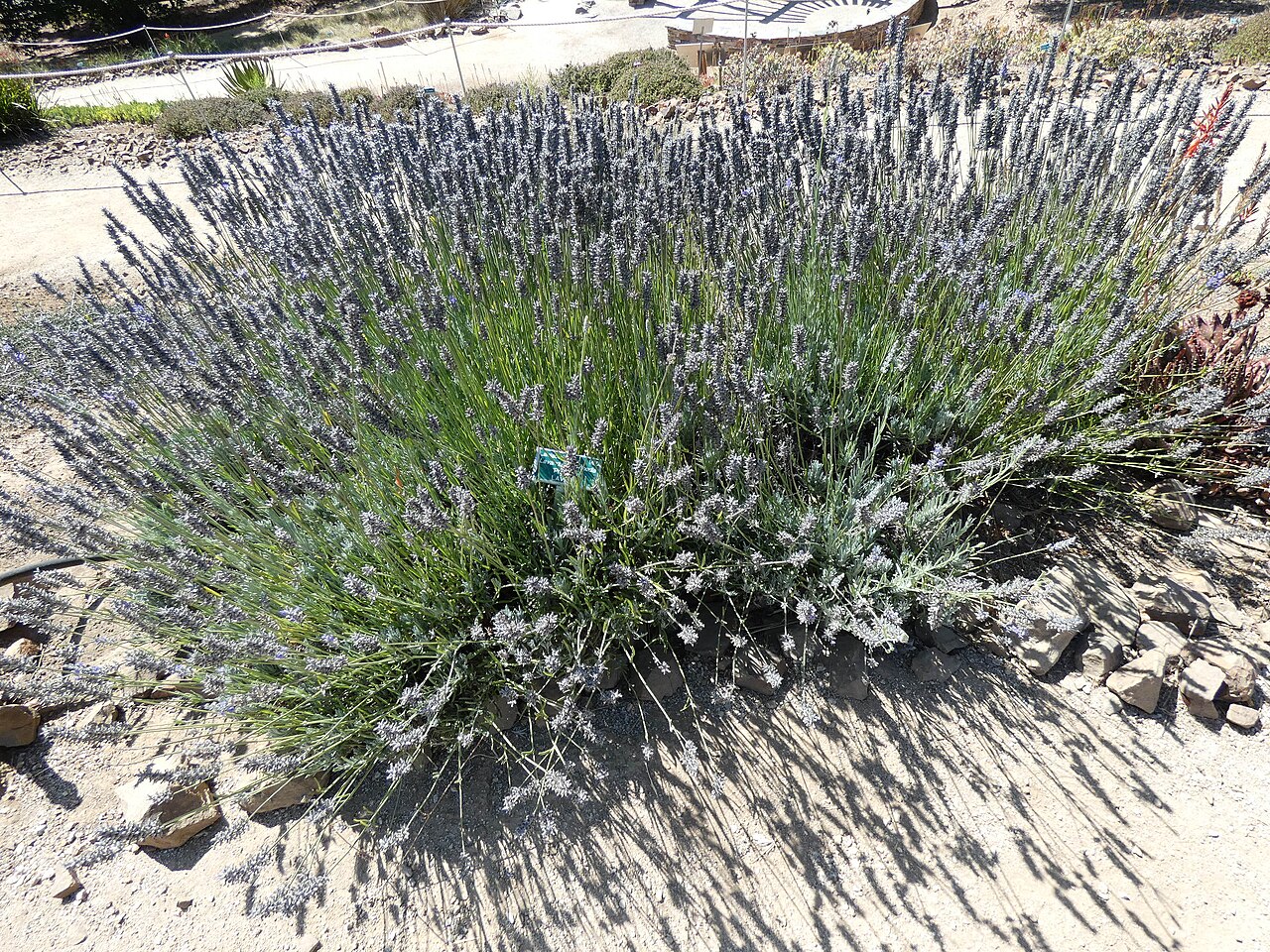
ラバンディン
Lavandin, oải hương lai
Lavandula x intermedia
Lavandula hybrida, Lavandula hortensis
Lavandin oil may inhibit platelet aggregation. Use orally with caution in individuals on anticoagulant medication, after major surgery, or with bleeding disorders.
Mild skin irritation possible in some individuals. Contact dermatitis reports are rare.
Linalool oxidation products may sensitize skin. Store properly.
No data indicates specific hazard in pregnancy.
| Linalyl acetate | 26.2 – 44.3 % |
| Linalool | 22.5 – 38.0 % |
| Camphor | 4.5 – 12.2 % |
| 1,8-Cineole | 3.0 – 11.0 % |
| (E)-β-Ocimene | 1.3 – 7.0 % |
| Borneol | 1.7 – 4.0 % |
| (Z)-β-Ocimene | 0.9 – 4.0 % |
| Lavandulyl acetate | 1.0 – 2.4 % |
| Terpinen-4-ol | 0 – 3.3 % |
Lavandin is a natural and artificial hybrid of Lavandula angustifolia (true lavender) and Lavandula latifolia (spike lavender).
Three principal cultivars: Abrialis, Grosso, Super. Each has its own chemistry and use case.
Grown and distilled mainly in Provence, France. Oil yield is much higher than true lavender.
Lavandin Abrialis has the highest 1,8-cineole content. Used in cleaning products and industrial applications.
Lavandin Grosso has the highest oil yield. Common in inexpensive perfumery and soap.
Lavandin Super has the highest linalyl acetate content, closest to true lavender in aroma. Used in fine fragrance.
Often used as adulterant for true lavender due to lower price and similar aroma.
Distinguished by GC-MS, camphor is high in lavandin (4-12%) compared to true lavender (under 1%).