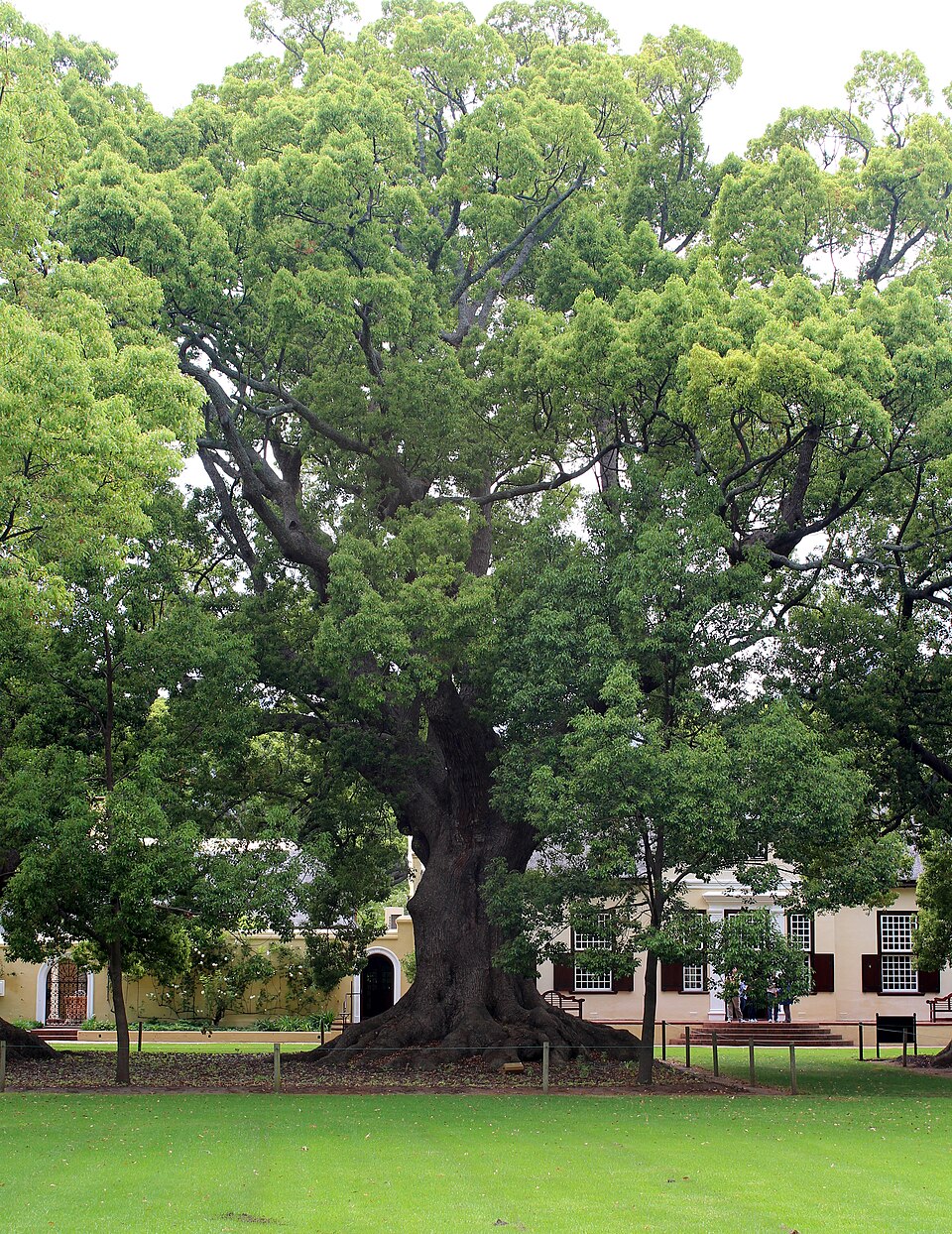
ホー リーフ カンファー CT
Lá cây Ho (CT camphor)
Cinnamomum camphora
Hon-sho, True camphor tree
Drug interactions. May contain safrole and methyleugenol. Expected to be neurotoxic based on high camphor content (42 to 84 percent).
Broad contraindications: pregnancy, breastfeeding.
Oral: caution with drugs metabolized by CYP2E1.
Maximum adult oral dose 28 mg daily. Maximum dermal use level 0.8 percent.
Basis: 5.0 percent safrole and 0.5 percent methyleugenol, with dermal limits 0.05/0.02 percent and oral 0.025/0.01 mg per kg per day.
Camphor is thought to be more toxic in humans than rodents. Rat LD50 is 1.7 g per kg.
| Camphor | 42.0 – 84.1 % |
| Linalool | 0.5 – 15.0 % |
| Safrole | 0.1 – 5.0 % |
| Bicyclogermacrene | 0 – 5.0 % |
| α-Caryophyllene | 0.1 – 4.0 % |
| β-Caryophyllene | 0.2 – 3.4 % |
| Spathulenol | 0 – 2.6 % |
| (+)-Limonene | 0 – 2.1 % |
| α-Terpineol | 1.3 – 2.0 % |
| 1,8-Cineole | 1.0 – 1.7 % |
| Methyleugenol | 0 – 0.5 % |
Cinnamomum camphora 'hon-sho' chemotype (true camphor tree), the main source of natural camphor. Japanese tree.
Distinct from the camphor (brown/white/yellow) fractions distilled from crude camphor oil. Ho leaf is the oil distilled directly from the leaves of the same species.
Family Lauraceae.