ホー リーフ シネオール CT
Lá cây Ho (CT cineole)
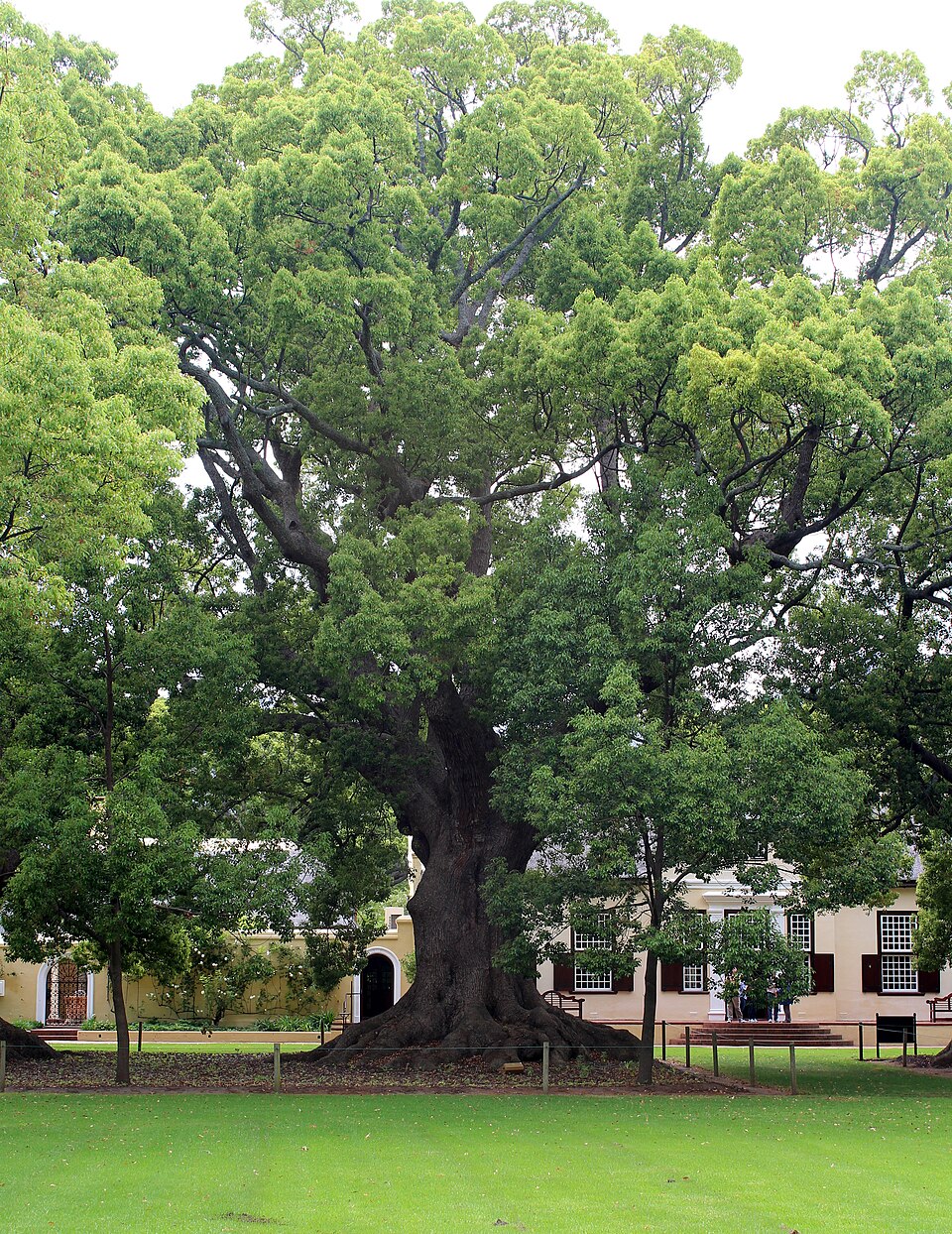
Cinnamomum camphora
Yu-sho (Chinese), Ravintsara (Madagascan)
Oils high in 1,8-cineole can cause CNS and breathing problems in young children.
May contain methyleugenol (Chinese chemotype).
Contraindication: do not apply to or near the face of infants or children.
Maximum dermal use level 11 percent for Chinese ho leaf, based on 0.2 percent safrole and 0.1 percent methyleugenol.
No restriction needed for ravintsara (Madagascan), contains no safrole or methyleugenol.
The name 'ravintsara' (Madagascan ho leaf cineole CT) is often confused with 'ravensara' (Ravensara aromatica), both from Madagascar but completely different plants.
| 1,8-Cineole (Chinese) | 50.0 % |
| 1,8-Cineole (Madagascan ravintsara) | 56.7 – 63.7 % |
| α-Terpineol | 6.9 – 14.3 % |
| Sabinene (Madagascan) | 11.4 – 14.0 % |
| β-Pinene | 2.7 – 6.9 % |
| α-Pinene | 1.6 – 4.6 % |
| Bornyl acetate (Chinese) | 3.1 % |
| Terpinen-4-ol (Madagascan) | 1.6 – 2.4 % |
| Safrole (Chinese) | 0.2 % |
| Methyleugenol (Chinese) | 0.1 % |
Cinnamomum camphora cineole chemotype, two commercial forms: Chinese ('yu-sho') and Madagascan (ravintsara).
Madagascan ravintsara has become particularly popular in modern aromatherapy as an alternative to eucalyptus, free of safrole/methyleugenol with a better safety profile.
Family Lauraceae.
Madagascan Cinnamomum camphora oil shows antigenotoxic effect in research, protecting DNA from damage.