ホー リーフ リナロール CT
Lá cây Ho (CT linalool)
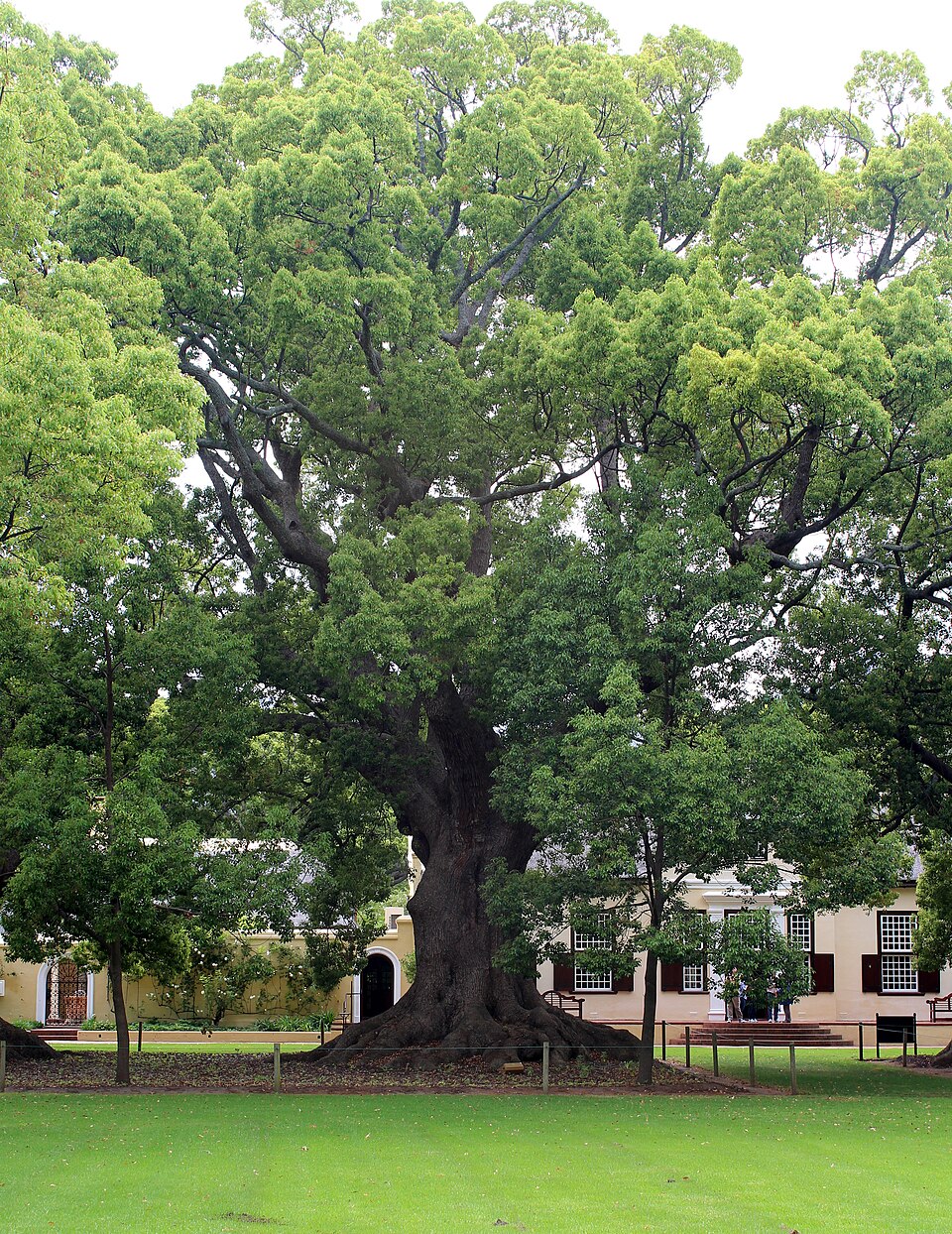
Cinnamomum camphora var. glavescens
Ho-sho (fragrant camphor tree), Shiu, Shiu-sho, Ho wood oil
May contain methyleugenol.
Although ho leaf oil (linalool CT) can contain up to 1 percent potentially carcinogenic constituents, it also contains an average of 80 percent linalool and nerolidol which are anticarcinogenic. impose no limit.
No irritation or sensitization at 10 percent test level.
Linalool oxidation products may sensitize, but 1,8-cineole in the oil has antioxidant properties.
This is the most common ho leaf oil, often referred to simply as 'ho leaf oil' or curiously as 'ho wood oil'.
| Linalool | 66.7 – 90.6 % |
| 1,8-Cineole | 0.2 – 13.3 % |
| Nerolidol | 0.5 – 3.2 % |
| Sabinene | 0.1 – 3.2 % |
| (E)-Linalool oxide | 0 – 2.8 % |
| β-Caryophyllene | 0 – 2.0 % |
| α-Pinene | 0.1 – 1.1 % |
| δ-Elemene | 1.1 % |
| Safrole | 0.01 – 0.9 % |
| Methyleugenol | 0.1 – 0.4 % |
Cinnamomum camphora var. glavescens, linalool chemotype, Taiwanese/Chinese variety.
This is the most common commercial ho leaf oil, produced in large volumes compared with other chemotypes.
Family Lauraceae. Natural linalool from ho leaf oil is a major industrial linalool source.