オレガノ
Kinh giới
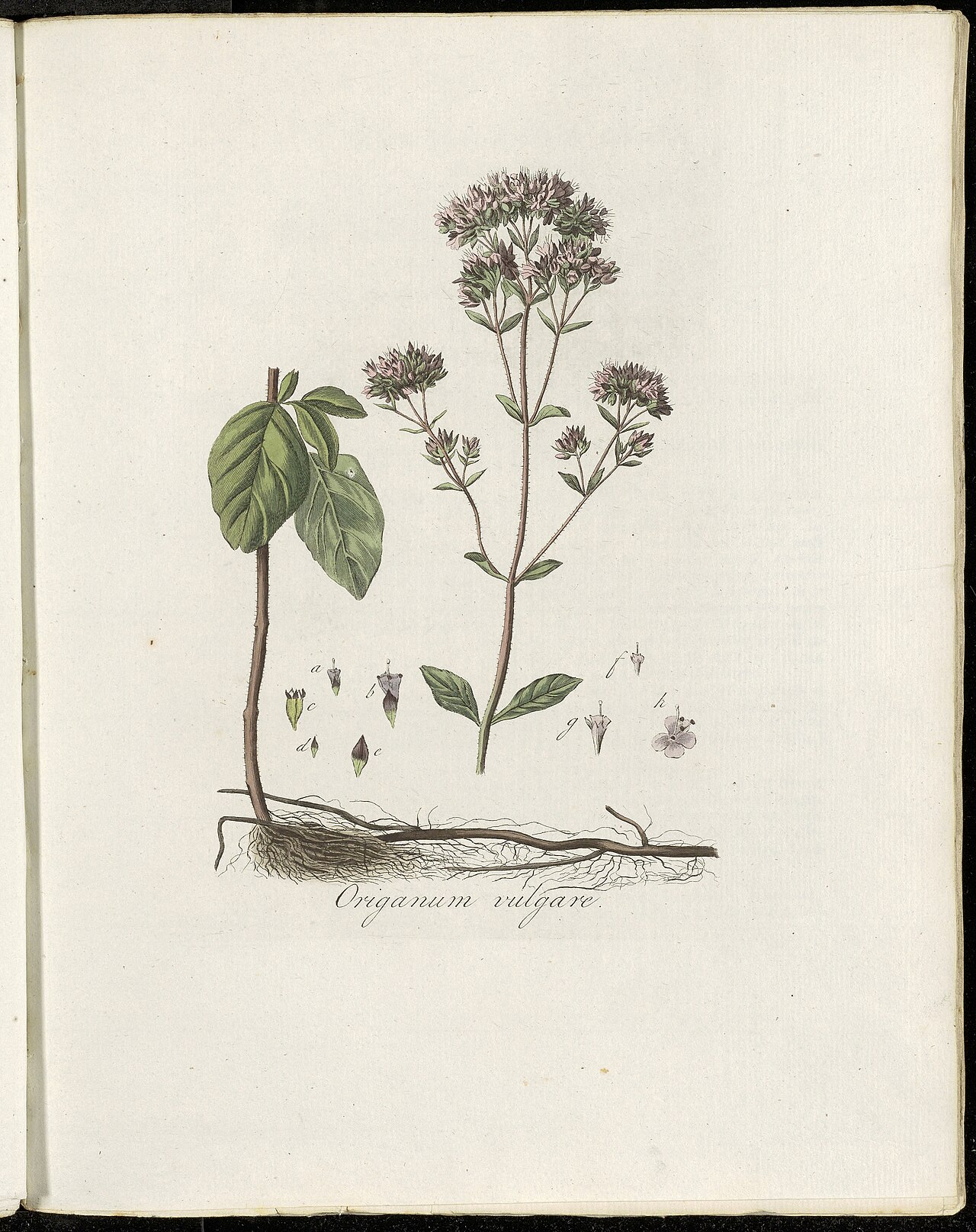
Origanum vulgare
Wild marjoram, Greek oregano
Carvacrol and thymol are the two main phenols, together up to 80 percent. Skin and mucous membrane irritant at high concentrations.
May inhibit platelet aggregation. Use orally with caution alongside anticoagulants, after major surgery, or with bleeding disorders.
Oral caution: antidiabetic drugs (interaction with carvacrol and thymol).
Contraindicated in pregnancy and breastfeeding due to lack of specific safety data.
Avoid contact with eyes and mucous membranes.
| Carvacrol | 39.8 – 79.8 % |
| Thymol | 0 – 14.0 % |
| p-Cymene | 7.0 – 15.0 % |
| γ-Terpinene | 2.0 – 13.0 % |
| Linalool | 1.0 – 5.0 % |
| β-Caryophyllene | 1.0 – 5.0 % |
| α-Terpineol | 0.5 – 3.0 % |
Origanum vulgare is a Mediterranean wild oregano. A small plant with small round leaves and a pungent characteristic pizza-like aroma.
Main production: Turkey, Greece, Spain, Italy. Greek oregano and Turkish oregano are the two traditional benchmarks, slightly different chemistry.
The naming can be confusing: 'oregano' refers to Origanum vulgare or similar carvacrol-rich species. 'Marjoram' is sometimes also called 'wild oregano'.
Family Lamiaceae (Labiatae), same family as marjoram, thyme, basil, and rosemary.
In Mediterranean cuisine, dried oregano is a seasoning for pizza, tomato-sauce pasta, and Greek salad. Dried leaves have a broader aroma than fresh.
In herbal medicine, oregano is traditionally used for digestion and respiratory support. The essential oil has been studied for strong antibacterial activity.
In cosmetics, oregano oil is used sparingly due to its phenolic nature. Suited to wash-off formulations like soap and dandruff hair care.