メイチャン
Màng tang
Litsea cubeba
Mountain pepper, Litsea
Citral (geranial plus neral) constitutes about 74 percent. Skin sensitization potential. In 200 contact dermatitis patients, 3 reacted positively to 2 percent may chang oil.
Drug interactions through CYP2B6 inhibition by citral and geraniol. Use orally with caution alongside drugs metabolized by this enzyme, particularly antidiabetics.
Teratogenicity: citral carries a risk of birth defects at high doses. Maximum daily oral dose in pregnancy is only 56 mg.
Children under 2: avoid dermal use. Sensitive or damaged skin: use with caution.
Not phototoxic. The oil is produced in very large volumes, much is used for industrial synthesis of citral, ionone, methyl ionone, and vitamins A, E, and K.
| Geranial | 40.0 – 47.0 % |
| Neral | 30.0 – 35.0 % |
| (+)-Limonene | 4.5 – 10.0 % |
| β-Myrcene | 1.5 – 4.0 % |
| Methyl heptenone | 1.0 – 3.0 % |
| Linalool | 0.5 – 2.0 % |
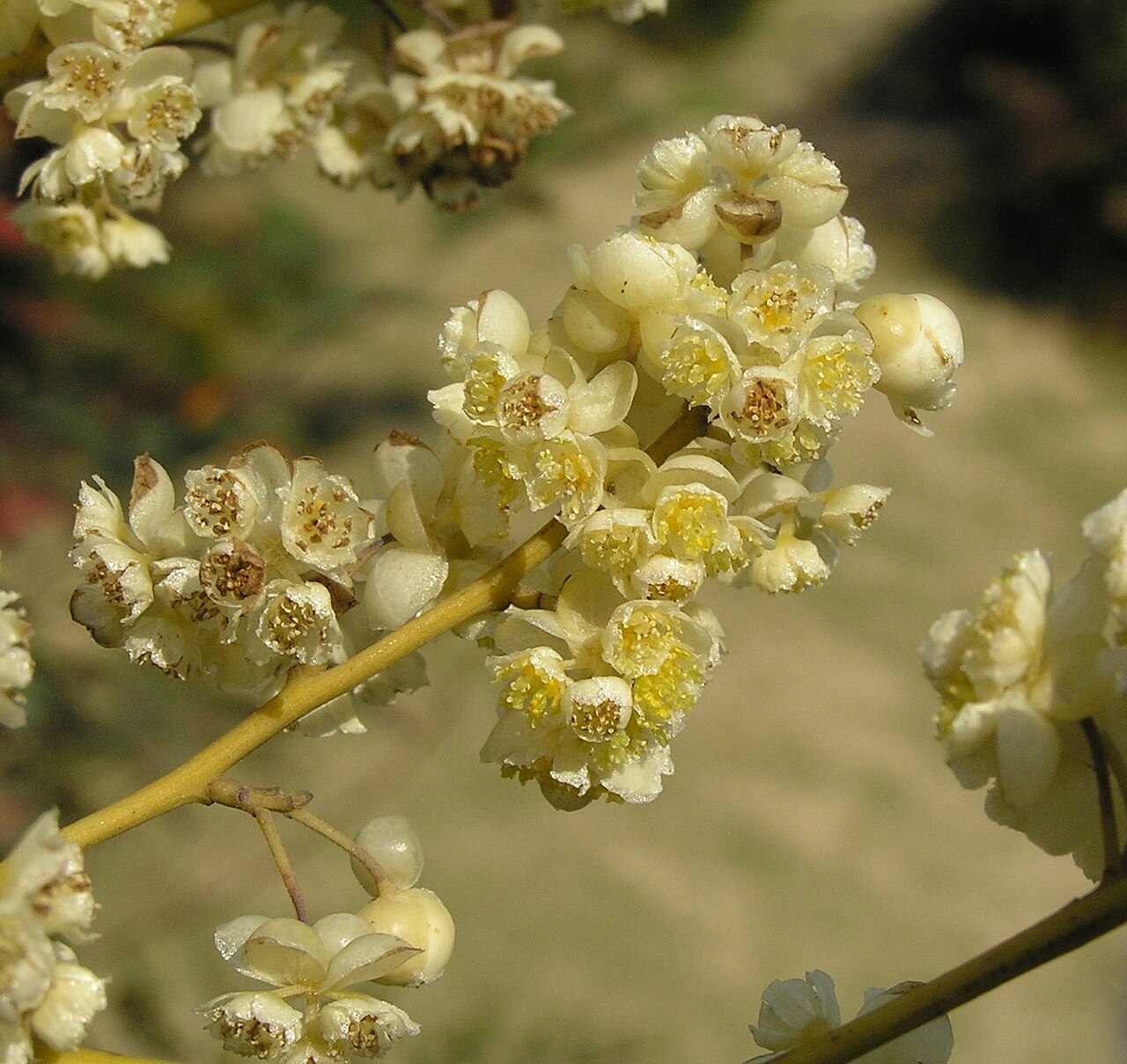
Litsea cubeba is a small tree from East and Southeast Asia, China, Vietnam, Taiwan, Indonesia, Malaysia. In Vietnam, may chang is called 'mang tang'.
Small peppercorn-shaped fruits with a distinctive citrus aroma. Distillation from fresh fruits yields a citral-rich oil.
Main production: China, the world's largest. In Vietnamese highland agriculture, may chang has become a commercial crop supplying citral extractors.
Family Lauraceae, same family as laurel and cinnamon.
May chang oil is not mutagenic to Salmonella tymphimurium. Does not induce micronuclei in bone marrow cells.
In perfumery, may chang is used for fresh, sweet citrus notes, close to lemongrass and melissa but more crystalline.
In Vietnam, there is potential for local product development as the tree grows in the northwestern mountain regions.