ローズウッド
Gỗ hồng
Aniba rosaeodora
Bois de rose
Linalool dominant. Very low skin sensitization risk.
Linalool oxidation products may sensitize. Store properly.
No data indicates hazard in pregnancy, linalool has virtually no reproductive toxicity.
CITES Appendix II: Aniba rosaeodora and rosewood timber are classified as 'species not necessarily threatened with extinction now but that may become so unless trade is closely controlled'. Legal restrictions apply to bulk essential oil trade; finished retail-packaged products are exempt.
Source only from certified sustainable suppliers or use ho wood substitute.
| Linalool | 78.0 – 92.0 % |
| α-Terpineol | 1.0 – 4.0 % |
| 1,8-Cineole | 0.5 – 3.0 % |
| Geraniol | 0.5 – 2.5 % |
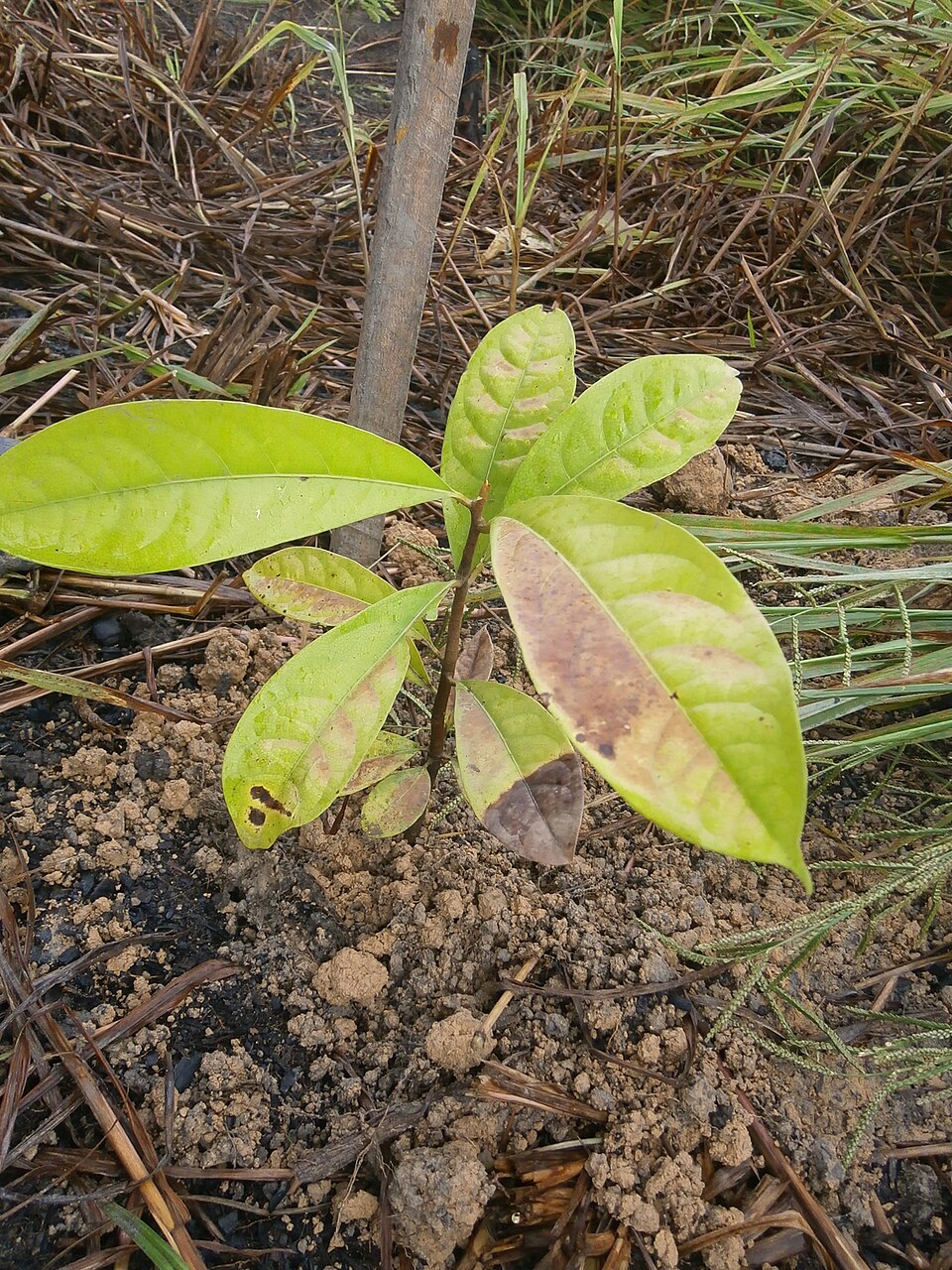
Aniba rosaeodora is a large tree from the Amazon rainforest, Brazil, Peru, Guyana, French Guiana. The name 'rosewood' reflects the rose-like wood aroma.
Oil production requires felling the tree, the basis for the CITES Appendix II listing.
Main production: Brazil, particularly the Manaus, Amazonas region. Commercial scale began in the 19th century.
Family Lauraceae, same family as cinnamon, laurel, and massoia.
Selectively cytotoxic to A431 epithelial carcinoma cells without significant effect on normal keratinocytes.
Ho wood (Cinnamomum camphora linalool CT, under H) is a sustainable substitute for rosewood, very similar chemistry (linalool dominant).
In classical perfumery and Eau-de-Cologne, rosewood is an important heart note. After conservation tightening, ho wood became the main alternative.
At Lê Mai, prefer ho wood over rosewood to avoid sustainability concerns.