イヌラ
Mộc lan đại
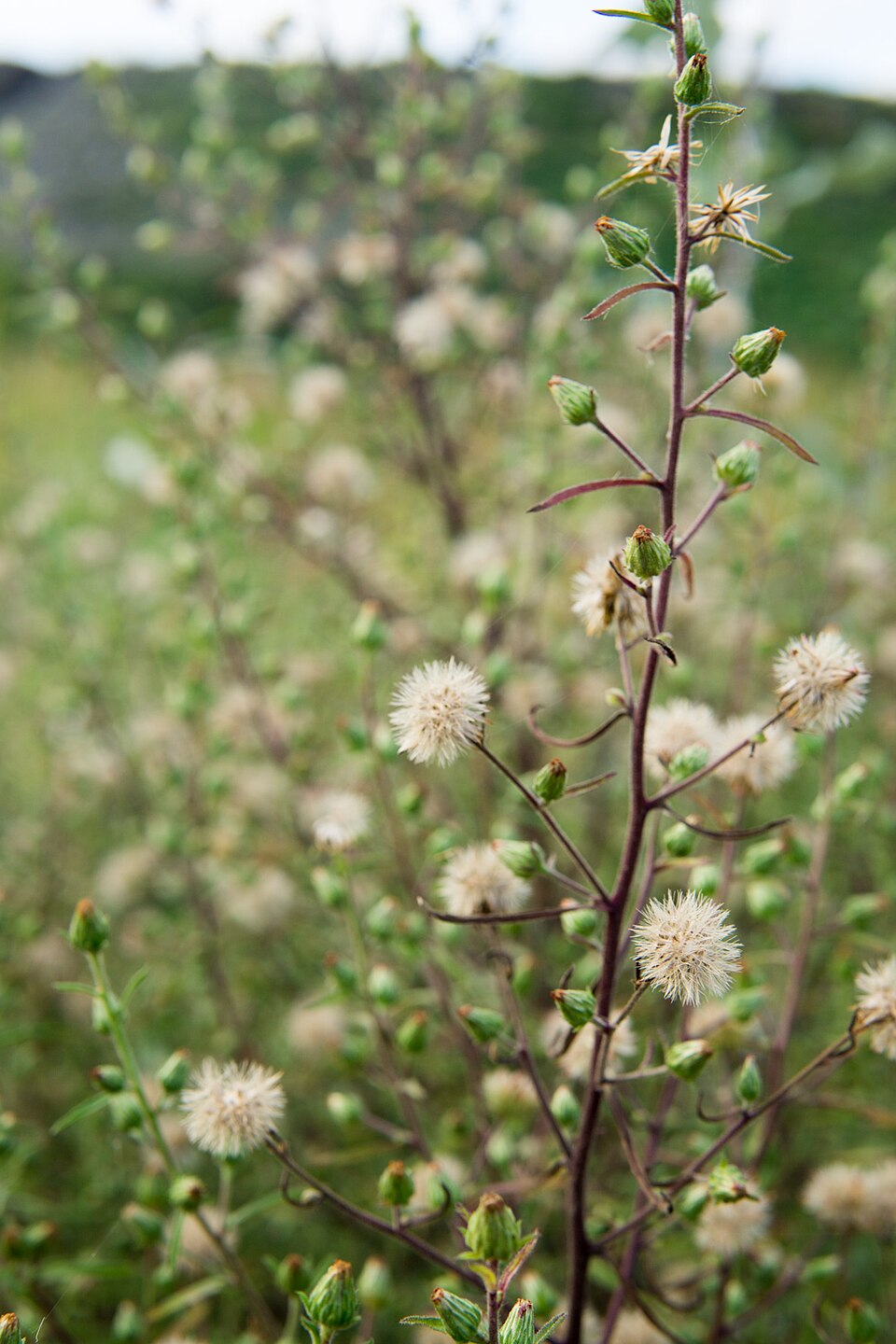
Dittrichia graveolens
Sweet inula, Camphor inula, Inula graveolens
No specific contraindications in available data.
Not to be confused with Inula helenium (Elecampane), Inula graveolens is a different plant, with completely different chemistry and without elecampane's high sensitization risk.
Bornyl acetate (the major constituent at 46 percent) and borneol (15 percent), no significant toxicity.
| Bornyl acetate | 46.1 % |
| Borneol | 15.3 % |
| T-Cadinol | 7.5 % |
| Camphene | 4.5 % |
| 2,3-Dehydro-1,8-cineole | 2.5 % |
| β-Caryophyllene | 2.4 % |
| Caryophyllene oxide | 2.2 % |
| γ-Cadinene | 1.5 % |
| α-Terpineol | 1.4 % |
Dittrichia graveolens (formerly Inula graveolens) is a small Mediterranean herb. Reclassified from Inula to Dittrichia in modern botanical taxonomy.
The oil is steam-distilled from flowering tops.
Family Asteraceae. Same family as elecampane (Inula helenium) but a completely different plant, sharing only the 'inula' commercial name.
Two commercial 'inula' oils, Inula helenium (Elecampane, highly sensitizing, IFRA prohibited) and Inula graveolens (safe). Verify species before purchase.