ジェニピ
Cỏ Genipi
Artemisia genepi
Genepi, Artemisia spicata, Artemisia mutellina
Expected to be neurotoxic based on high thujone content (90.2 percent total α + β-thujone).
Broad contraindications: pregnancy, breastfeeding.
Should not be taken orally.
Maximum dermal use level 0.3 percent.
Basis: 90.2 percent total thujone, with dermal limit of 0.25 percent.
Thujone carries seizure risk at high doses. NOAEL for convulsions: 10 mg per kg in male rats, 5 mg per kg in females.
| α-Thujone | 79.8 % |
| β-Thujone | 10.4 % |
| β-Pinene | 1.3 % |
| Terpinen-4-ol | 1.0 % |
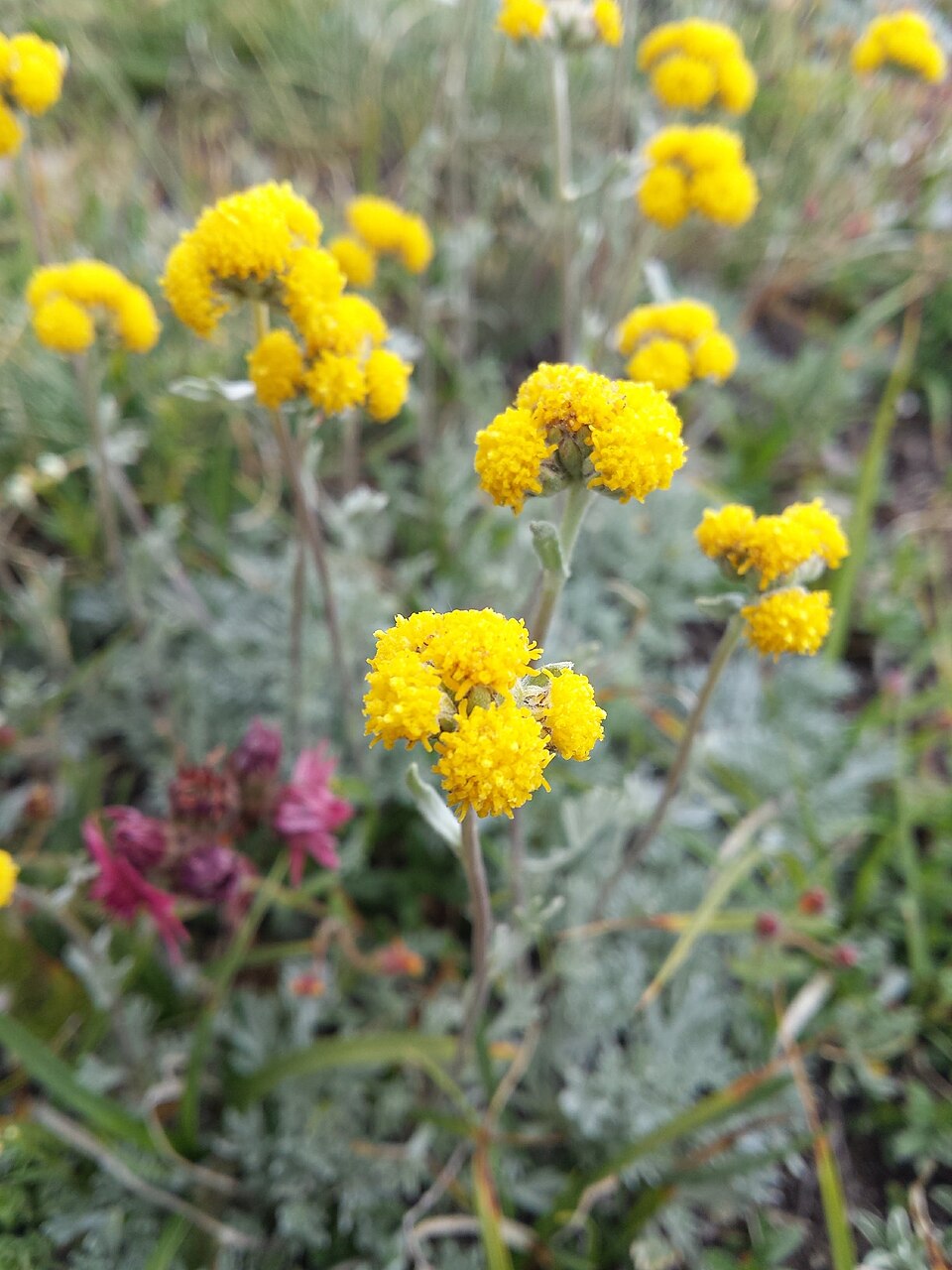
Artemisia genepi is an alpine herb, found above 2000 meters in the Alps. Small leaves with silvery-grey hairs.
The oil is steam-distilled from the aerial parts. Limited availability.
Family Asteraceae. Same genus Artemisia as wormwood, mugwort, tarragon, a group of high-thujone species with neurotoxicity risk.
Genepi is traditionally used in Alpine liqueur production (genepy/genepi liqueur), at very low concentrations in alcohol for safety reasons. The concentrated essential oil is markedly more hazardous.
The EU SCF report on thujone concluded that available data were inadequate to establish a TDI/ADI.