ニアウリ シネオール
Niaouli (CT cineole)
Melaleuca quinquenervia
MQV cineole
1,8-Cineole comprises 40-65 percent. Oils high in 1,8-cineole can cause CNS and respiratory issues in young children when applied near the face.
Contraindicated near the face of children under 6.
Low skin irritation and sensitization risk in adults.
No data indicates hazard in pregnancy.
| 1,8-Cineole | 40.0 – 65.0 % |
| α-Pinene | 8.0 – 15.0 % |
| (+)-Limonene | 5.0 – 10.0 % |
| Viridiflorol | 1.0 – 8.0 % |
| α-Terpineol | 3.0 – 7.0 % |
| β-Pinene | 1.0 – 4.0 % |
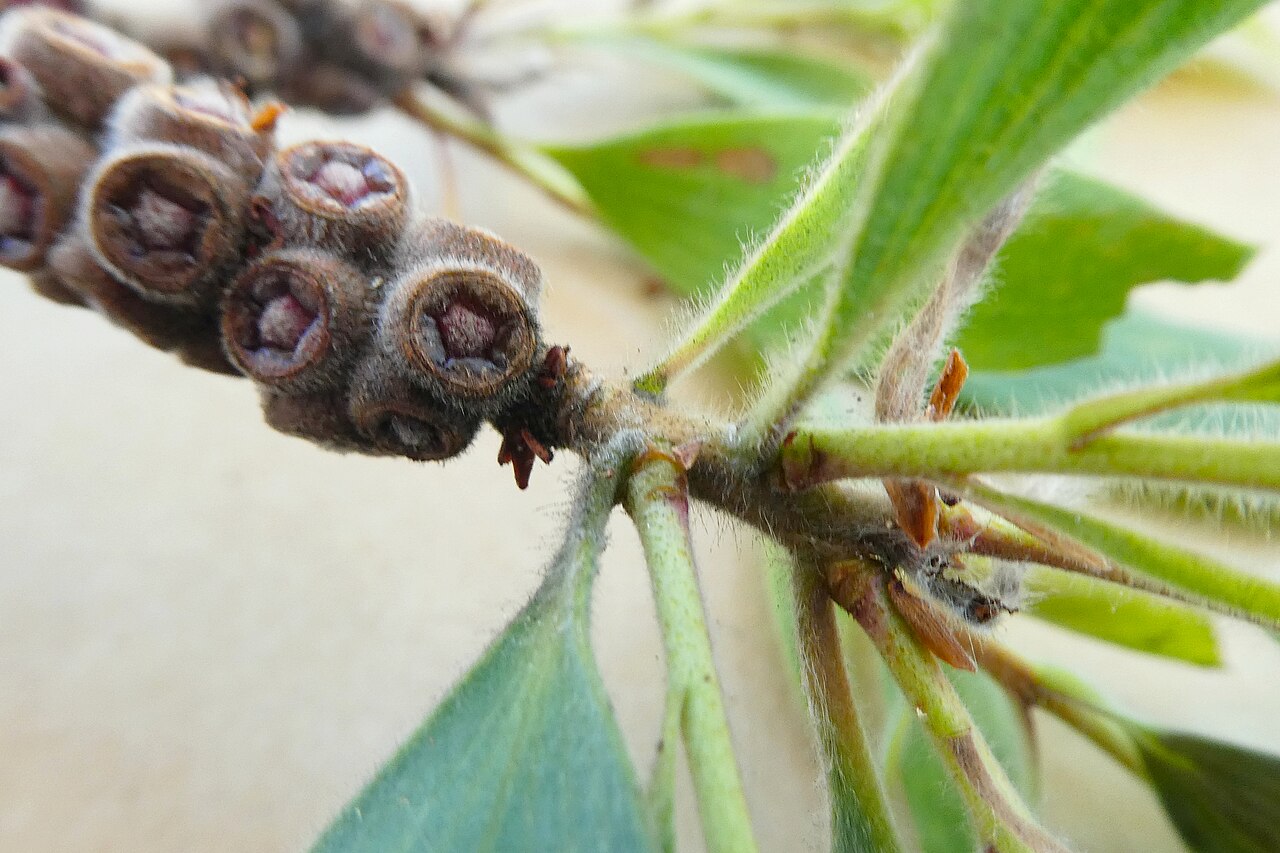
Melaleuca quinquenervia is a medium-sized tree native to Australia and New Caledonia. Also growing wild in Madagascar.
The cineole chemotype is the most common commercial type, main production in Madagascar.
Family Myrtaceae, same family as tea tree, eucalyptus, and manuka.
Niaouli cineole CT is often confused with Cajuput (Melaleuca cajuputi, under letter C), both have high 1,8-cineole and similar aroma.
Traditionally used for respiratory support due to 1,8-cineole.