Benzyl alcohol
Phenylmethanol
Benzenemethanol · Phenylcarbinol · α-Hydroxytoluene
化学組成 · Constituent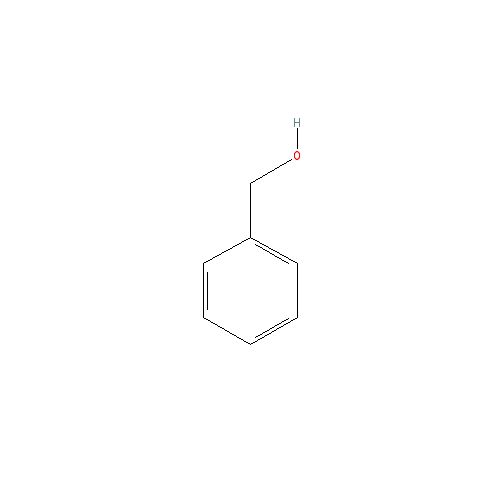
Phenylmethanol
Benzenemethanol · Phenylcarbinol · α-Hydroxytoluene
化学組成 · Constituent
Benzyl alcohol is a widely used solvent and fragrance constituent. Listed among the 26 EU fragrance allergens, practical data indicate low sensitization risk.
Skin. Among 4,195 eczema patients tested at 5 percent, only one (0.025 percent) reacted. Patch tests on 241, 70, 50 and other groups showed no positive reactions. HRIPT at 5 percent gave two sensitizations in 101 subjects; at 3 percent no reactions.
Among Peru balsam sensitive patients, 8 of 102 reacted to 5 percent. The compound is classified Category C, not significantly allergenic.
Oral. Acute oral LD50 is 1.23–3.1 g/kg in rats. Intravenous 0.025–0.4 mL/kg in mice caused convulsions, dyspnea and reduced mobility at all doses except the lowest.
Preterm neonates have deficient hippuric acid formation, impairing benzyl alcohol detoxification. This is a specifically vulnerable group.
Subchronic. Rats and mice given 2,000 mg/kg for 16 days all died. At 1,000 mg/kg, 2 to 3 of 5 died.
| Tolu balsam | 41.8 % |
| Benzoin | 38.8 – 43.4 % |
| Hyacinth | 40.0 % |
| Narcissus | 1.7 – 4.8 % |
| Violet leaf | 1.0 – 2.1 % |
| Champaca (orange) | 0.3 – 2.0 % |
| Bakul | 1.6 % |
| Jasmine sambac | 1.3 % |
Benzyl alcohol is rapidly oxidized to benzoic acid, then conjugated with glycine to hippuric acid and excreted in urine. This detoxification pathway is poorly developed in preterm neonates.
Benzyl alcohol is used as an excipient in many topical formulations. The compound slowly oxidizes to benzoic acid on air exposure.
Infant cosmetics should avoid benzyl alcohol due to immature metabolism.