Một dự án của Lê Mai A Lê Mai project · go to lemai.com.vn

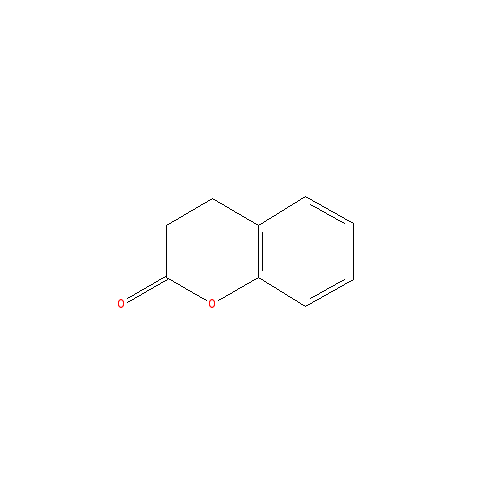
Dihydrocoumarin

Chroman-2-one

3,4-Dihydrocoumarin, Chroman-2-one, Melilotin

Aromatic lactone · C₉H₈O₂

Chemical structure of Dihydrocoumarin
2D structure PubChem / NCI CIR

Chemical info

CAS number CAS
119-84-6
Molecular formula
C₉H₈O₂
Molecular weight
148.16 g/mol
Origin
Nature-identical
Odor family
Gourmand
Note
Base
Aroma
Sweet hay, caramel and a hint of coconut; warm like coumarin but softer.

History

Dihydrocoumarin occurs in sweet clover (Melilotus). It is widely used in flavours; in cosmetics the EU prohibits it as a fragrance ingredient because of sensitisation risk.


In perfumery

Formerly used in tonka and hay accords; no longer used as a fragrance ingredient in cosmetics sold in the EU.


Connections

EvokesHay, Tonka
Found in natureSweet clover

Regulatory status

EU banned as fragrance
IFRA 51
Restricted by an IFRA Standard (entry "Dihydrocoumarin"), current version issued at Amendment 51. Maximum levels differ across the 12 product categories.
EU CosReg
Annex II, entry 427: prohibited when used as a fragrance ingredient.
EU allergen 2023/1545
Not on the list of fragrance allergens requiring labelling, including after Regulation (EU) 2023/1545.

Sources

  1. NCI/CADD Chemical Identifier Resolver, CAS 119-84-6
  2. IFRA Standards Library, Amendments up to 51
  3. Regulation (EC) No 1223/2009, consolidated text of 18.05.2026, Annexes II and III