Hydrocyanic acid
Hydrogen cyanide
Hydrogen cyanide · Prussic acid
化学組成 · Constituent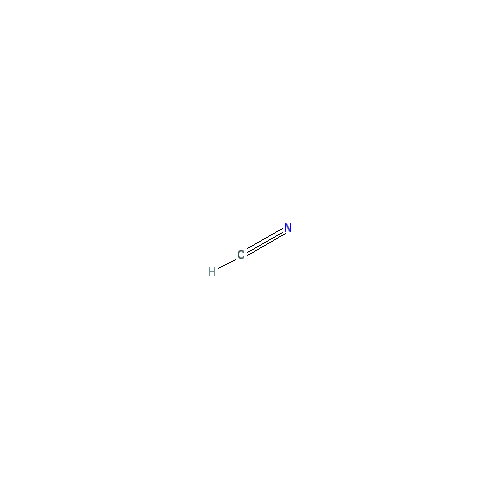
Hydrogen cyanide
Hydrogen cyanide · Prussic acid
化学組成 · Constituent
Hydrocyanic acid is an extremely potent poison released from amygdalin during distillation of bitter almond oil. It is removed during production of bitter almond FFPA oil (free from prussic acid).
Routes of entry. Poisoning can occur by inhalation, ingestion or dermal absorption. Symptoms include rapid and labored breathing, paralysis, loss of consciousness, convulsions and death.
Human toxicity. The fatal dose for humans is considered to be about 50 mg, equivalent to 0.8 mg/kg for an adult. Exposure to 150 ppm for 30 to 60 minutes may endanger life. Death may occur from a few minutes' exposure to 300 ppm.
Oral and dermal. Acute subcutaneous LD50 in mice is 8.4 mg/kg. Dermal LD50 in rabbits is 7.0 mg/kg on intact skin and 2.3 mg/kg on abraded skin.
| Almond, bitter (unrectified) | 2.0 – 4.0 % |
Unrectified bitter almond oil contains hydrocyanic acid and is not used in cosmetics. The FFPA version has the toxin removed and is used as a food and cosmetic flavoring under tight regulation.