Cresol
Methylphenol (o-, m-, p-)
Hydroxytoluene · Methylphenol
化学組成 · Constituent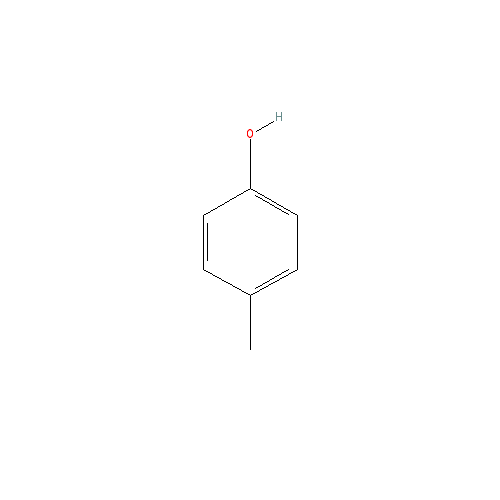
Methylphenol (o-, m-, p-)
Hydroxytoluene · Methylphenol
化学組成 · Constituent
Cresol is a simple substituted phenol existing as o-, m- and p-isomers. The compound is a strong irritant, corrosive to all tissues, and has a history of severe oral poisoning. Cresol appears only in concentrated oils such as birch tar and unrectified cade.
Skin. Undiluted p-cresol irritated rabbit skin. NTP classifies it as a severe skin and eye irritant.
Oral. Rat LD50 is 121 mg/kg for o-cresol, 242 mg/kg for m-cresol, 207 mg/kg for p-cresol. Rabbit dermal LD50 varies between isomers: o-cresol 890, m-cresol 2,830, p-cresol 300 mg/kg.
Human poisoning. Human lethal dose is 30 to 60 grams of cresol-soap. One case survived ingestion of 300 mL of 50 percent cresol soap through hemodialysis and intensive care, with dermal burns, esophageal and gastric erosion, pneumonia and acute renal failure. A 240 mL dose of 50 percent solution was fatal within 15 minutes.
Subchronic. Dietary p-cresol at 300–30,000 ppm for 28 days increased liver and kidney weight in rats and mice, with bone marrow, ovary and nasal mucosa atrophy.
Reproductive. p-Cresol shows estrogenic activity in a yeast screen.
Liver. p-Cresol is hepatotoxic to rat liver cells in vitro through a reactive metabolite mechanism.
| Birch tar | Major constituent |
| Cade (unrectified) | < 2.5 % (mixed cresols) |
The main isomer in birch tar is unidentified and the isomers are difficult to distinguish by routine analysis. Trace amounts may appear in ylang-ylang oils.
Cresol underlies traditional disinfectants, but severe clinical poisoning has driven strict limits in modern consumer products.