Anisyl alcohol
4-Methoxybenzyl alcohol
p-Anisyl alcohol · Anise alcohol · Anisic alcohol · 4-Methoxy-benzenemethanol
化学組成 · Constituent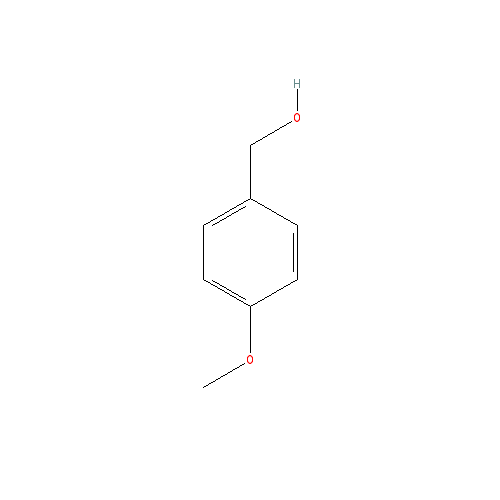
4-Methoxybenzyl alcohol
p-Anisyl alcohol · Anise alcohol · Anisic alcohol · 4-Methoxy-benzenemethanol
化学組成 · Constituent
Anisyl alcohol is on the EU list of 26 fragrance allergens, but practical patch-test data indicate a low sensitization risk.
Skin. A 5 percent patch test on 115 dermatitis patients produced no reactions. Other studies on thousands of patients gave positive rates near 0.06 percent. In fragrance-sensitive patients, positive rates rise to 20 percent in a small subgroup.
Oral. Acute oral LD50 is 1.34 g/kg in rats and 1.78 g/kg in mice.
Mutagenicity and carcinogenicity. Non-mutagenic in the Ames test. Not carcinogenic to male mice given four pre-weaning intraperitoneal injections.
Anisyl alcohol occurs in only one essential oil (anise) at low levels, so practical sensitization risk is limited.
| Anise | 0 – 3.5 % |
Anisyl alcohol also occurs in vanilla absolute. The compound is listed as a high-risk allergen in some reviews, but practical data suggest the classification may be overstated.